
Essay Menu
Static Electricity - Home Lab Activity #8
All actual activities in this chemistry series must be done with adult supervision!
CheMagic Virtual Molecular Model Kit
Introduction
We all have experienced the effects of static electricity by walking across a carpeted room and touching an object. Sometimes the discharge can be startling. Basically, static electricity is caused by an imbalance of electrical charges. Static electricity has intrigued scientists for years. Even the ancient Greeks were aware of it.
There is an old bar trick that can be used to illustrate some interesting properties of static electricity. Balance a nickel coin on a table then balance a paper match (or any similar object) on the coin. Place a one ounce shot glass over the two objects. The objective of this trick is to cause the match to fall from the nickel without moving the glass or the table.
Experimental Details: Static Electricity
You will need the materials described above and a comb
The solution to the trick is to run the comb through your hair to establish a static charge on the comb. Bring the comb close to the glass, and the static charge built up on the comb will cause the match to fall from the nickel.
A few experiments with this trick can be very instructive. Watch the motion of the match very carefully. What is the nature of the motion of the match as it falls off the coin? Does this motion suggest that the match has the same charge as the comb or the opposite charge?
Is there anything to suggest that the match has two electrical charges?
Cut a small paper towel sheet into small confetti-like pieces. Place the electrostatically-charged comb over the pieces. What do your observations suggest about the charges on the comb and paper towel pieces?
Try the trick with a thick-walled glass and a thin-walled glass of about equal size.
Which glass makes it easier to topple the match?
Rinse the shot glass with water, but do not dry it. Try the trick again. Is it harder or easier to topple the match?
Try the trick with larger glasses. Is it easier or more difficult to cause the match to fall with larger glasses? What can you conclude from this experiment?
See how much fun a chemist can have with a comb, a nickel, a match, and a glass!
Which of the following does NOT involve static electricity?
| A bolt of lightning. | A flashlight run by a 9 volt battery. | A Van de Graaff Generator. |
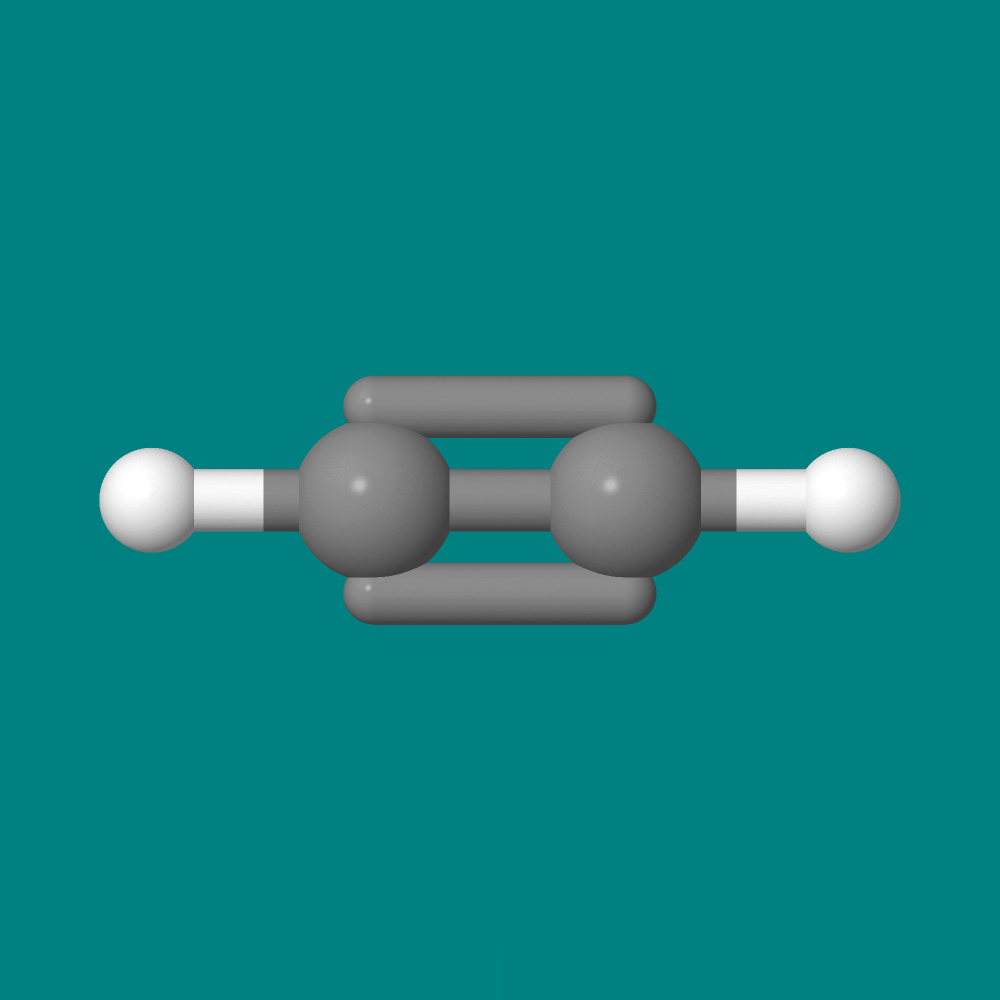
While experiments with static electricity can be fun and instructive, static electricity can be dangerous around combustible materials. A small electrical spark can ignite explosive mixtures. Our featured video shows the ignition of an acetylene-air mixture with a lighter, but the explosion can also be set off with a static discharge.
